When thinking about doing desktop I am thinking about something that helps organize and balance work and recreation. So a wallpaper organizer comes into my mind. I searched for several different designs and they have different functions.


When thinking about doing desktop I am thinking about something that helps organize and balance work and recreation. So a wallpaper organizer comes into my mind. I searched for several different designs and they have different functions.

When doing some research about desktops, I came across something cool that I had NO idea you could do and wanted to share with all of you: change the icons of your desktop folders and apps; no more boring and un-aesthetic blue folders for us! I found a couple of help pages that outline how to carry out this process on both a Mac and a PC and have included them here in case you are interested in doing so for your desktop project or just for you 🙂 I also included some photos of how other individuals have utilized this function to personalize their own computers to show the variation of styles that can be represented in doing so.
For Mac:
https://support.apple.com/guide/mac-help/create-custom-icons-files-folders-mac-mchlp2313/mac
For PC:
https://www.howtogeek.com/howto/13631/customize-your-icons-in-windows-7-and-vista/


Fascinating video on how Disney used to animate their films with the MultiPlane Camera, providing depth and movement to the scene.
I was looking for Beatles lyric videos in German and came across this gem.
Then, curious what else a “kinetic typography” search would bring me, I found the two videos above.
—————————————————–
And one more “design” related thing, I have been wanting to post… The artists/music group, OK Go.
If you have never heard of them before, an entire afternoon could be spent binge-watching their videos.
I believe they took music videos into a new form (of design- playing with color, motion, sound, effects, and storytelling) and improved&reinvented their craft over and over again.
Here is a video animation that shows exactly what social distancing can do to stop the coronavirus outbreak:
I also found a few other pieces of still art that depict the act and effects of social distancing pretty accurately. Stay safe, stay home, wash your hands, and don’t touch your face!
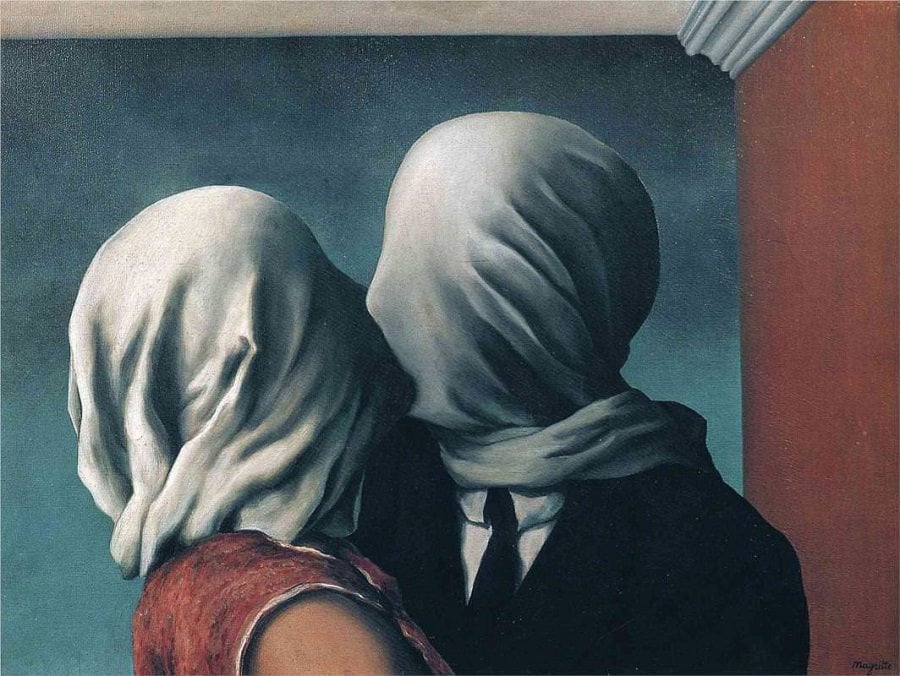


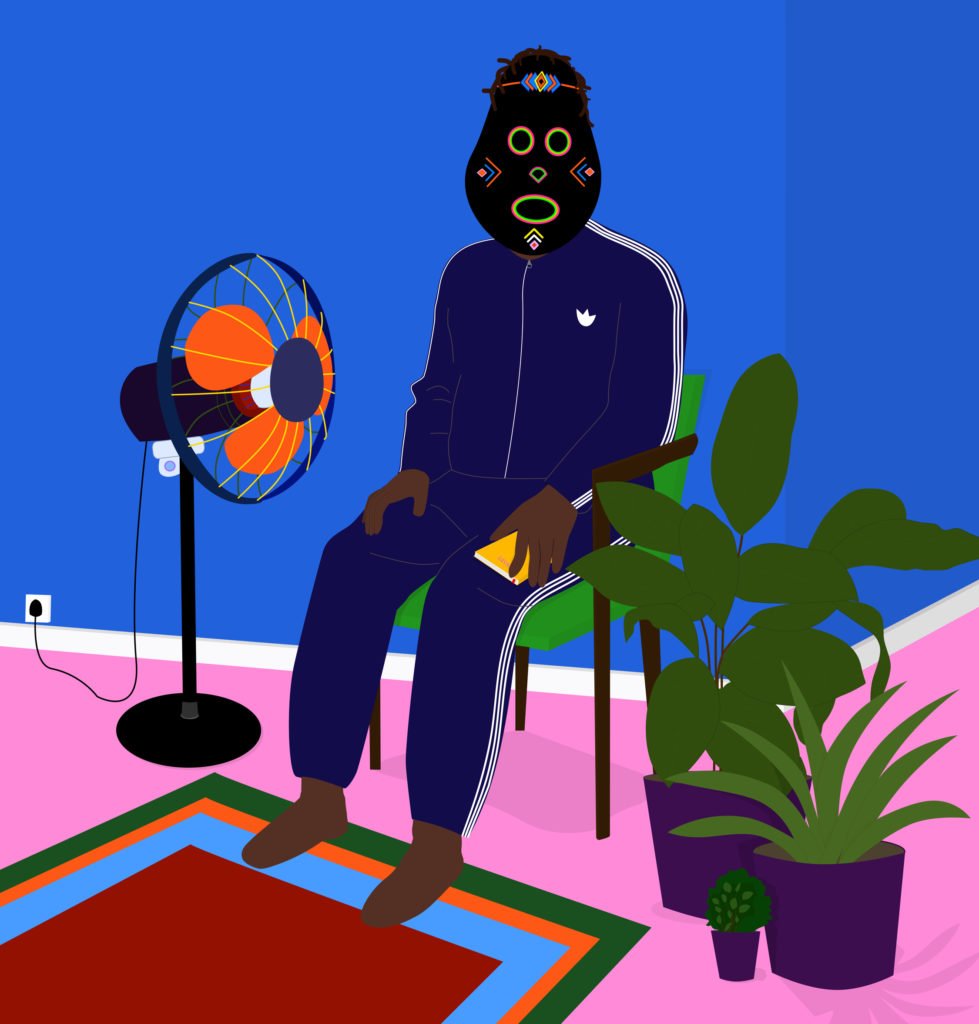


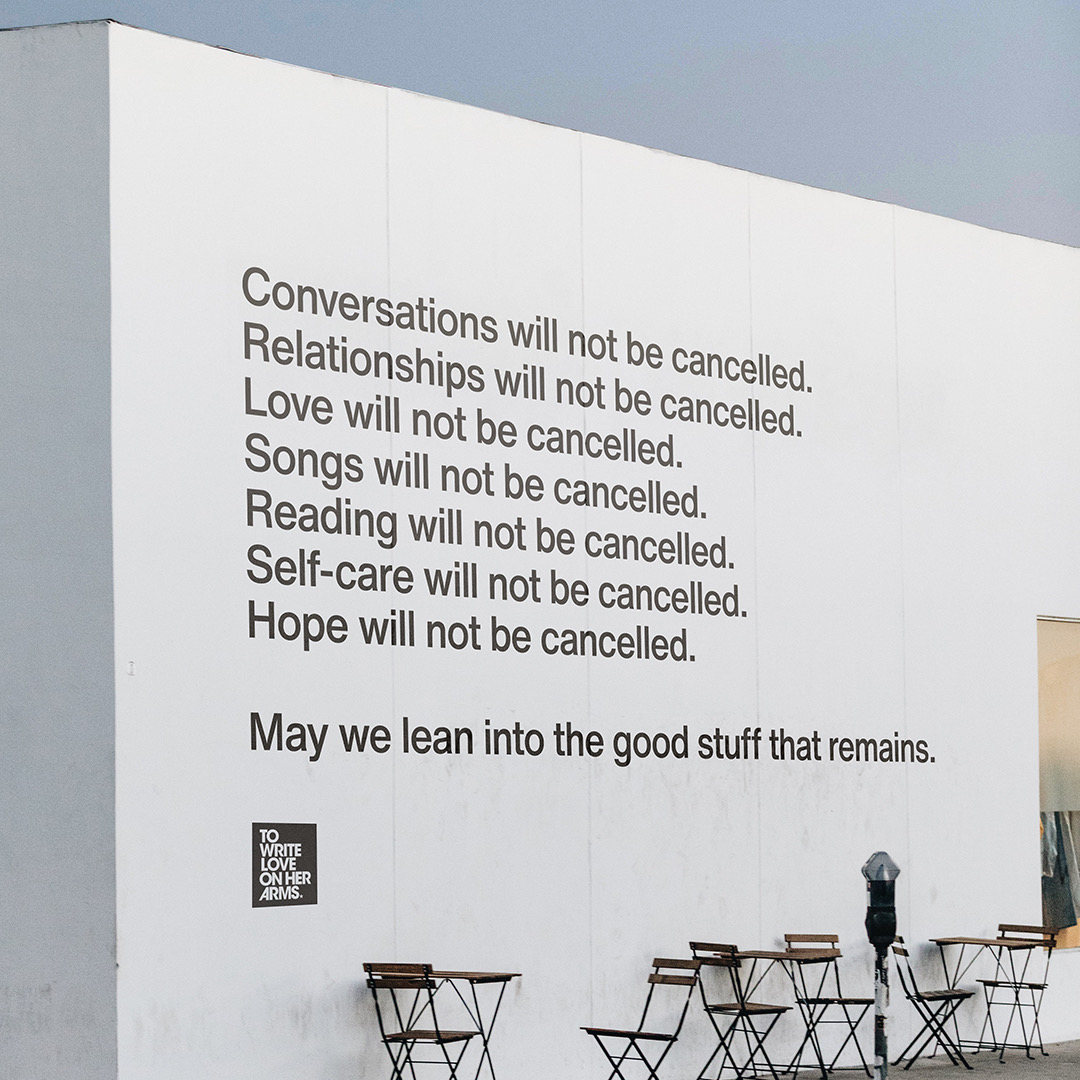
I hope you are safe, well-informed, and settled wherever you are.
-Grace
Your 1-sentence definitions: PoMo
Known to many for providing the method for forming our oldest cartoons and favorite early Disney classics, flipbooks have a wide history revolving around their utilitarian purpose. But what else about these works makes them so special?
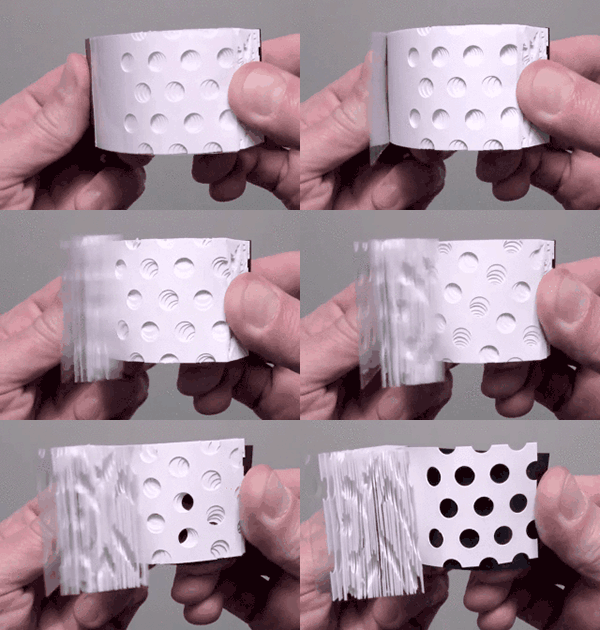

Stemming from the early 19th century, flip books have not just provided a means for early animation and gifs: they have created a whole new medium of art. Similar to lenticular and other optical illusions, flipbooks have the power to create true movement out of 2-D works. Not only do these works pack a punch filled with expression, their size allows them to be shared, allowing even those without technology to experience the magic of gifs.
Included in this post are a few works by a notable flip book artist as well some by gifted anonymous artists, demonstrating the breadth of the flip book genre.

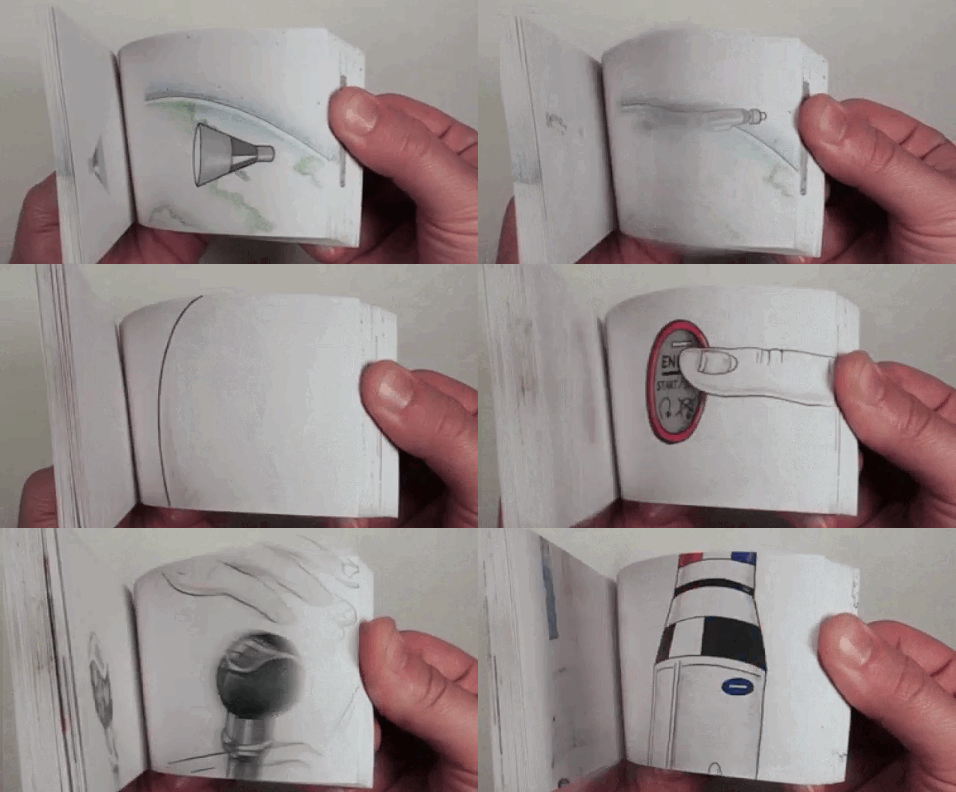
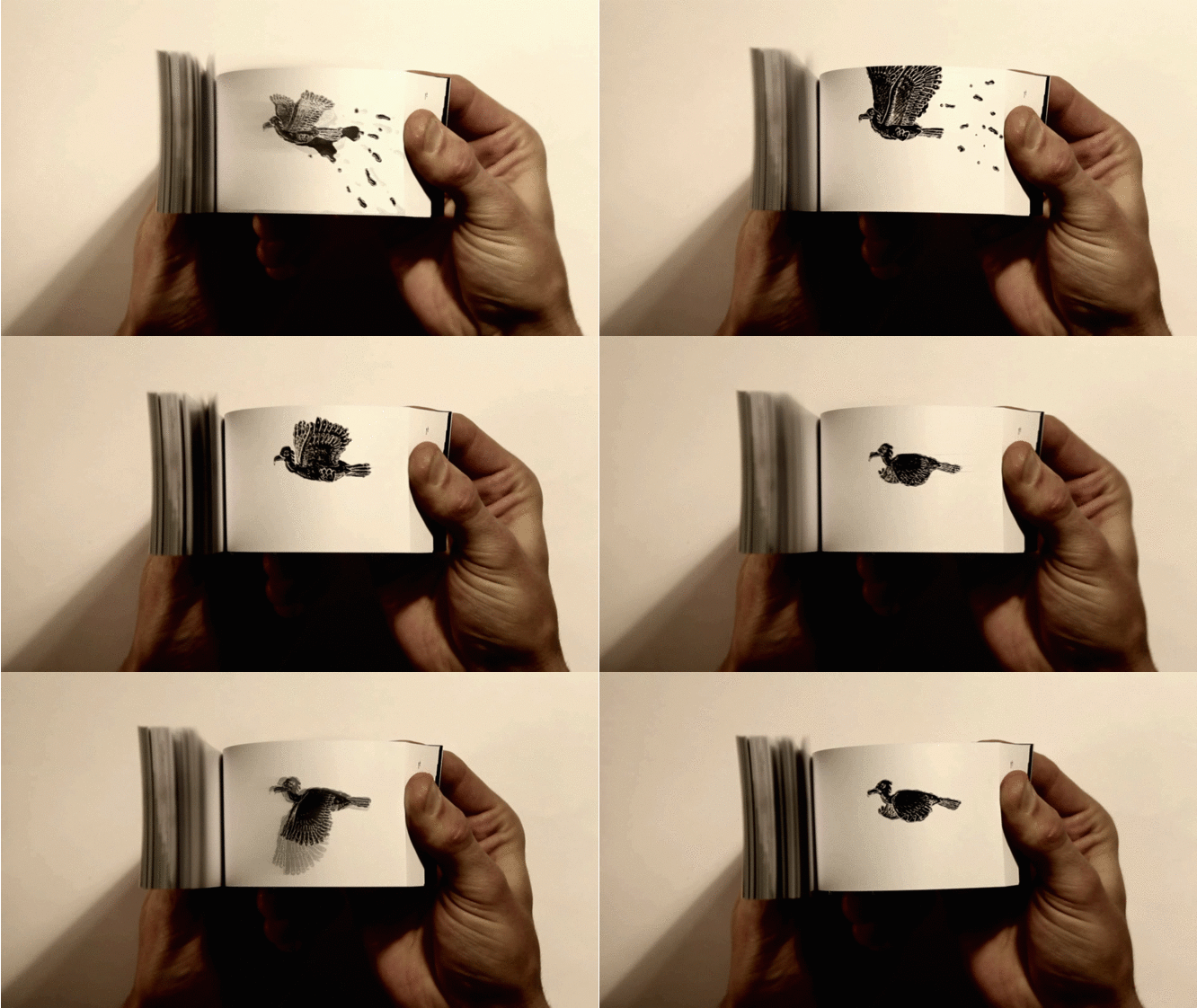
Final animations should be about 30+ seconds, with sound and titles. Final mp4 files should be posted to the Course Folder (Project 2 final movies) for final crit on March 19 or a date TBD.
To Render and Export as Video:
Save File as .psd and back up file to a second safe location
Re-start computer to prevent crash
Open file
Select Render Video from Timeline menu options
Give file a name and select folder to save .mp4 file
Choose format HU 264
Click Render
Somewhere in your animation include this text
Your name
Foundations of Art Design and Digital Culture
Penn Fine Arts
2020
155 Years Before the First Animated Gif, Joseph Plateau Set Images in Motion with the Phenakistoscope
The phenakistoscope used a spinning disc attached vertically to a handle. Arrayed around the disc’s center were a series of drawings showing phases of the animation, and cut through it were a series of equally spaced radial slits. The user would spin the disc and look through the moving slits at the disc’s reflection in a mirror. The scanning of the slits across the reflected images kept them from simply blurring together, so that the user would see a rapid succession of images that appeared to be a single moving picture.
So what kinds of things did people want to see animated as they peered into these curious motion devices? Lions eating people. Women morphing into witches. And some other pretty wild and psychedelic imagery.


 2020 Foundations