Critical Art Ensemble

Our final project about public art and intervention immediately made me think of a group I have been learning about in one of my communications courses: The Critical Art Ensemble. This group produces tactical media, which is basically a form of art that is used to engage a participatory audience and comment on a sociopolitical issue.

The video below is an example of their work; it is called GenTerra. Critical Art Ensemble used actors to portray scientists who taught onlookers about a phenomenon known as transgenics. They essentially created a kind of participatory theater, which is closely related to what we might have been able to create with our intervention projects if we were all still together on campus.

Geometric Food Art by Sakir Gökçebag

As I started to work on the food processing project, I thought about how geometric, formulated, and “processed” that the food we are designing is, and how it compares with actual food. I found these art pieces made in 2012 which are a kind of combination of genuine and geometric food. I think these compositions are really unique, and they play with your eyes and confuse your mind.

Social Distancing Art

Here is a video animation that shows exactly what social distancing can do to stop the coronavirus outbreak:

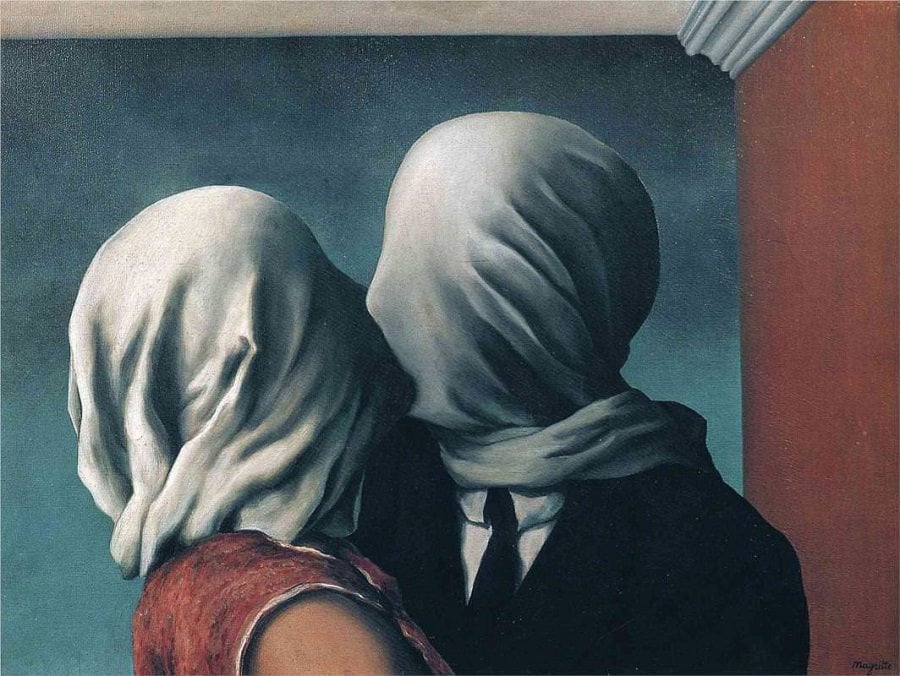
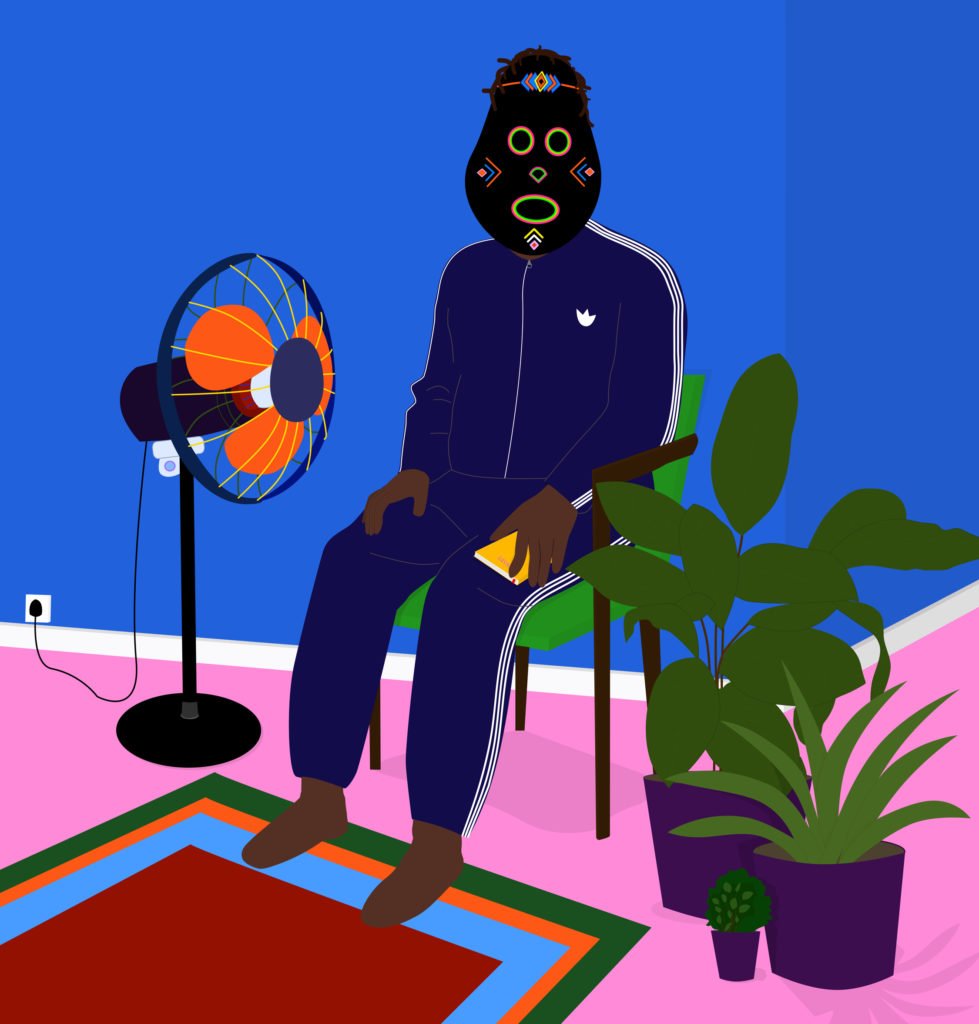
I also found a few other pieces of still art that depict the act and effects of social distancing pretty accurately. Stay safe, stay home, wash your hands, and don’t touch your face!

The Lovers by René Magritte (1928)
Landscape with Figures by George Tooker (1966)
Open My Glade (Flatten) by Pipilotti Rist (2017)
Diary by Dennis Osadebe (2018)

Uno Moralez

I came across the detailed work of Uno Moralez, a Russian artist who is known as a “pixel painter.” His cartoon/comic book style is something I have never seen before in animation art. The black and white also lends to his visual design and I feel like I could be watching an old cartoon movie.

Les Maitres

Representation in News

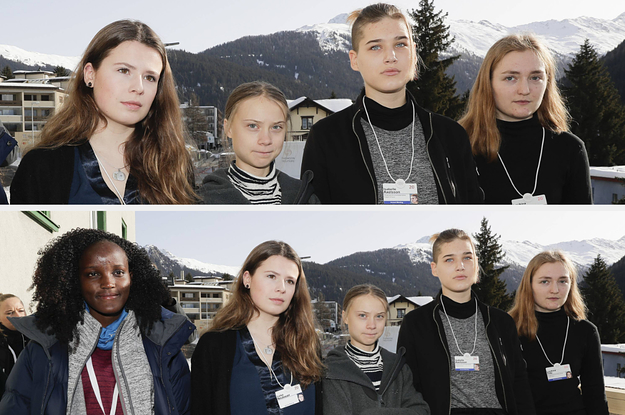
The cropped vs. un-cropped photos of climate activists in Davos on Jan. 24, 2020 (Photo by Markus Schreiber)

Representation in photography was a very recent issue in the news, as the Associated Press was criticized for cropping Ugandan climate activist Vanessa Natake out of an image that was published last week. As you can see, Natake was the only non-white activist in the photo. AP received significant pushback on social media and quickly changed the photo on their website.

Here is a link to a Buzzfeed news article about the incident: https://www.buzzfeednews.com/article/ikrd/vanessa-nakate-greta-thunberg-davos

And here is a link to the original AP article (now with the un-cropped photo in the gallery at the top): https://apnews.com/ee36c1b18874d3ebec2c743f0968396f

William Latham: 3D Modeling

Throughout the process of creating my designs for my “white noise” sound for project 1.1, I kept thinking about semi-imperfect repetition. White noise sounds to me like a seemingly endless, continuous sounds with slight variation throughout. After some additional thought, my mind kept returning to fractals and 3D modeling, which I imagined was an at least somewhat related artistic representation of what white noise could look like.

Below is the work of British digital artist and computer scientist William Latham. Latham uses complex computer technologies as well as genetic algorithms of organic life forms to create these fascinating, weird floating models. These designs of repetition and complexity in the midst of nothingness have inspired me to think more about how to possibly add depth to my designs.

Computer Plant Form 3, 1989
EvoArt session: PlantForm, 1989